

Autoimmune encephalitis (AE) is a complex and often challenging condition to diagnose and manage. It involves inflammation of the brain caused by the body’s immune system attacking its own tissues. This post explores a rare and intriguing case of AE, highlighting the diagnostic process, treatment approach, and outcomes.
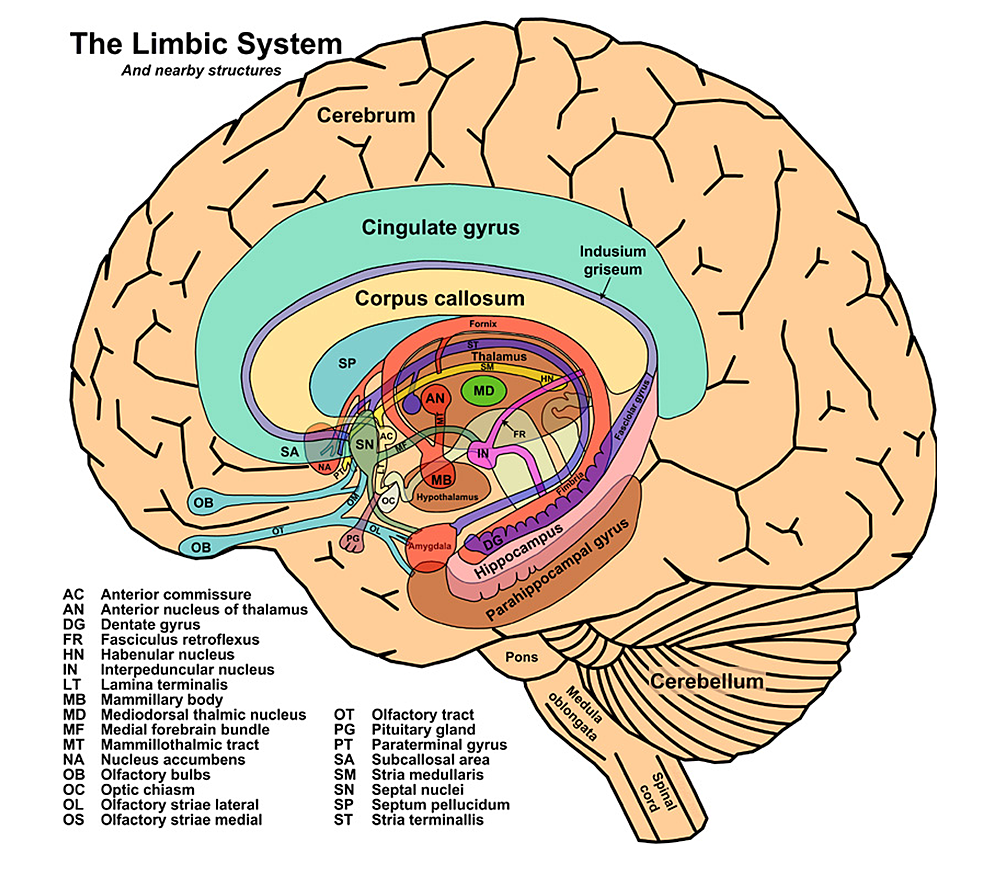
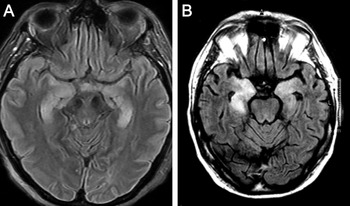
Figure 1
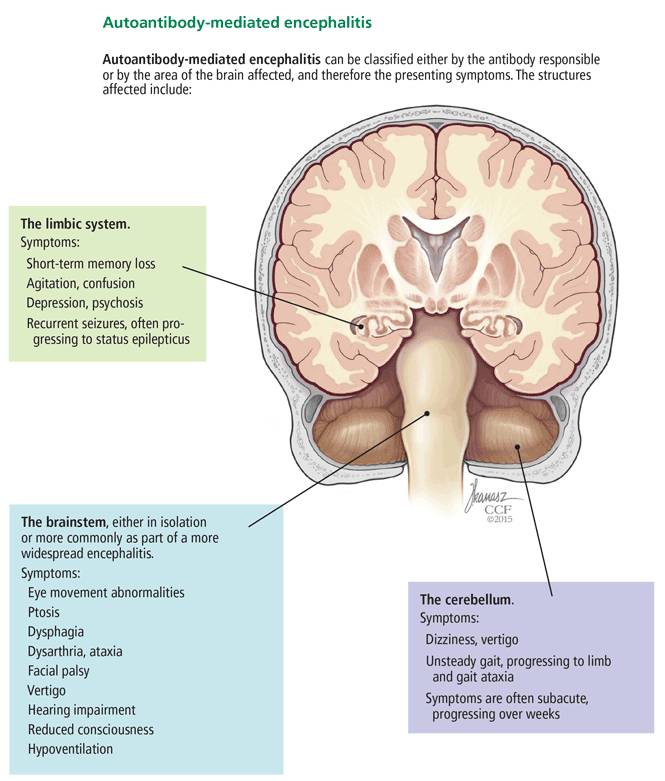
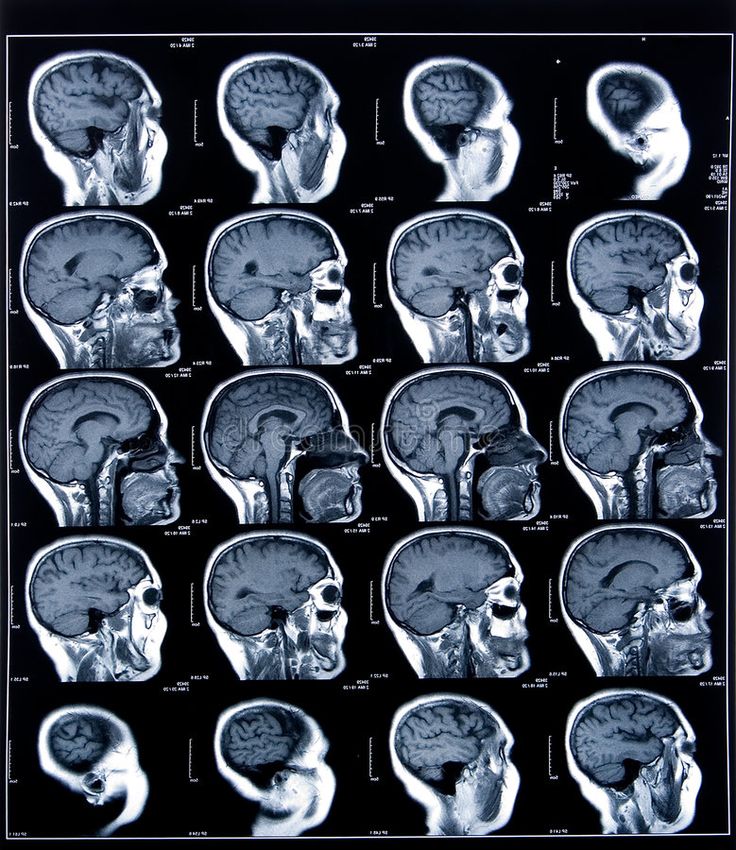
Figure 2
-
A 32-year-old female presented to the emergency department with a three-week history of progressive confusion, memory loss, and seizures. Her family reported significant behavioral changes, including agitation and hallucinations. There was no history of recent infections or travel, and her medical history was unremarkable.
-
Diagnostic Workup:
Initial laboratory tests, including complete blood count, metabolic panel, and toxicology screen, were within normal limits. A lumbar puncture revealed mild pleocytosis with elevated protein levels, suggesting an inflammatory process. MRI of the brain showed hyperintense signals in the temporal lobes, consistent with encephalitis.To further investigate the etiology, an autoimmune encephalitis panel was sent, which came back positive for anti-NMDA receptor antibodies. This finding confirmed the diagnosis of anti-NMDA receptor encephalitis, a subtype of autoimmune encephalitis.
Management:
The patient was started on high-dose intravenous steroids and plasmapheresis to reduce the autoimmune response. Additionally, she received intravenous immunoglobulin (IVIG) therapy. Due to the severity of her symptoms, she was admitted to the intensive care unit for close monitoring and supportive care.Over the following weeks, the patient's condition gradually improved. Her seizures became less frequent, and her cognitive function started to recover. She was eventually transitioned to oral steroids and a long-term immunosuppressant, mycophenolate mofetil, to maintain remission.
-
This case highlights the complexities and challenges in diagnosing and managing autoimmune encephalitis. With timely intervention and appropriate therapy, patients can achieve significant recovery. Continued research and awareness are needed to improve diagnostic tools and treatment strategies for this rare condition.
-
What are some of the key challenges and considerations in the long-term management of patients with autoimmune encephalitis, and how can healthcare providers optimize treatment plans to prevent relapse and ensure sustained recovery?

-




Responses